
Apple’s Footprint Expands in Kenya: iPhone Imports Climb Amid Rising Smartphone Adoption
In the first half of 2025, Kenya’s import data for HS Code 85171300
The imported models ranged from the iPhone 11 to the latest iPhone 16 Pro and 16 Pro Max, including both brand-new and refurbished units. Common entries in import declarations such as “iPhone 16 Pro 256GB”, “Used iPhone 13 Pro Max”, and “iPhone 14 Complete with Accessories” highlight a diverse product mix targeting different income segments of the Kenyan smartphone market.
Monthly Import Trends (January–June 2025)
Kenya’s iPhone import volume fluctuated throughout the first half of 2025, with the most active months occurring in May and June, reflecting the release cycle of new Apple products and pre-holiday restocking activities by distributors.
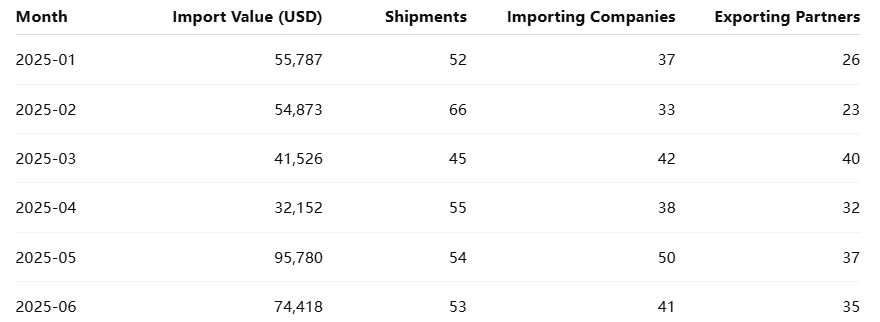
The May 2025 peak, with imports totaling nearly USD 96,000, coincides with growing demand for the iPhone 15 and 16 series, which entered African markets through regional distributors during the second quarter. The consistent trade activity in June 2025 suggests continued consumer interest and stable supply channels, supported by Kenya’s expanding electronics retail network.
Market Overview: Kenya’s Growing iPhone Ecosystem
Kenya’s smartphone market is one of the most dynamic in Sub-Saharan Africa, with iPhones representing a premium niche segment catering to middle- and high-income consumers.
Key Indicators
-
Total import value (Jan–Jun 2025): USD 354,534
-
Total shipments: 325
-
Active importers: 231
-
Exporting companies: 172
-
Partner countries: 36
The rise in iPhone imports demonstrates how Kenya’s urban consumers increasingly favor premium mobile devices for work, digital payments, and social connectivity. Nairobi, Mombasa, and Kisumu remain the key demand centers, with growing online retail platforms accelerating accessibility.
The country’s import ecosystem also features a significant volume of refurbished iPhones, reflecting an emerging secondary market that makes Apple devices more affordable for a broader consumer base.
Leading Importers of iPhones in Kenya
According to trade records, several Kenyan companies and distributors played pivotal roles in iPhone imports during the first half of 2025. The top importers include:
-
REDINGTON KENYA LTD. – The primary importer with over USD 139,000 in import value. The company sourced iPhones mainly through CADENSWORTH FZE in the UAE, reflecting Redington’s role as Apple’s key distribution partner in Africa.
-
AFRISALI AIR CARGO LTD. – Managed 117 units of iPhone imports valued at approximately USD 14,268, mainly from Guangzhou Youqibing Trade Co., Ltd. in China.
-
DOCUMENT HANDLING KENYA LTD. – Imported mixed models of new and used iPhones totaling USD 3,847, with shipments from small independent exporters.
-
DHL WORLDWIDE EXPRESS KENYA LTD. – Facilitated high-value courier imports worth about USD 914, representing individual and corporate consignments.
-
MCKINSEY & COMPANY INC. – Recorded several shipments valued at USD 17,964, indicating corporate usage for mobile operations and consulting activities.
The dominance of Redington Kenya reflects a structured distribution network connecting Dubai’s major electronics hubs to East African retail markets. Meanwhile, logistics companies like DHL and Afrisali play essential roles in enabling smaller shipments and online purchases from international sellers.
Supplier Landscape: Global Sources and Regional Gateways
The supply chain for iPhones entering Kenya is highly diversified, with primary export origins in the United Arab Emirates, China, Hong Kong, and the United States.
The UAE, particularly Dubai, serves as the main re-export hub for new and certified pre-owned iPhones entering the African continent. Distributors like Cadensworth FZE and Redington Gulf dominate the regional flow, leveraging efficient logistics and tax advantages to serve the East African market.
Chinese exporters such as Guangzhou Youqibing Trade Co., Ltd. contribute to the growing trade in refurbished and used iPhones, catering to mid-tier consumers seeking affordability. This trade pattern mirrors a broader continental trend: the rise of hybrid import channels combining authorized Apple distribution with independent resellers.
Regional Trade Dynamics and Market Reach
Kenya imported iPhones from 36 different countries during the first six months of 2025, underscoring a broad and competitive sourcing base. The top contributing regions include:
-
United Arab Emirates (UAE): The dominant supplier for new iPhones, accounting for the majority of high-value transactions.
-
China: Key provider of refurbished and aftermarket devices.
-
Hong Kong: A trading hub for mixed-model consignments.
-
United States: Source of smaller direct shipments, often refurbished units purchased online.
This network illustrates Kenya’s strong integration within the global electronics supply chain, particularly through regional trade corridors linking Dubai and Guangzhou with East Africa.
Consumer Electronics Demand and Market Evolution
Kenya’s import data for iPhones indicates more than just growing consumer purchasing power — it signals a transformation in how technology products are distributed and consumed.
Key market trends include:
-
Rapid smartphone adoption, driven by fintech and e-commerce growth.
-
Expansion of refurbished phone trade, bridging affordability gaps.
-
Emerging logistics ecosystems, with air cargo and express services streamlining delivery.
-
Brand diversification, as Apple’s premium market coexists with mid-range Android alternatives.
These factors collectively enhance Kenya’s status as a digital gateway for East Africa, with a maturing smartphone ecosystem that mirrors patterns seen in more developed markets.
Outlook: Sustained Growth Ahead for Apple in Kenya
Looking forward, Kenya’s iPhone import trajectory is expected to continue upward, fueled by:
-
Ongoing expansion of Apple’s authorized retail presence.
-
Wider access to financing and trade-in programs.
-
Increasing consumer preference for high-quality devices supporting 5G and AI-driven features.
As mobile technology becomes central to financial inclusion, education, and entertainment, Kenya’s appetite for premium smartphones — particularly iPhones — will remain robust. The country’s evolving import network, blending official distributors and cross-border traders, will further consolidate its role as a key African market for Apple products.
Data Source
All trade figures and company data are derived from NBD DATA